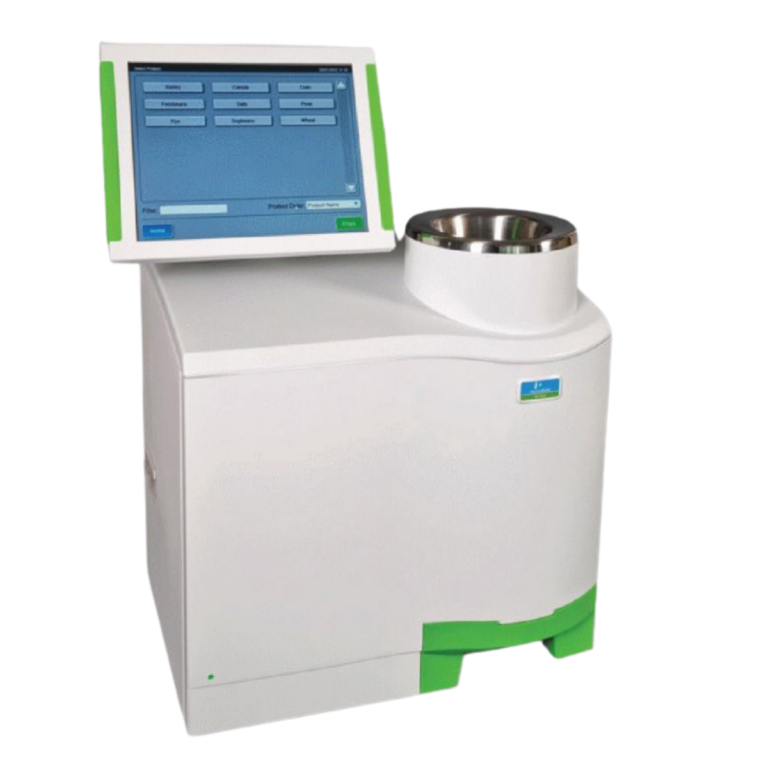
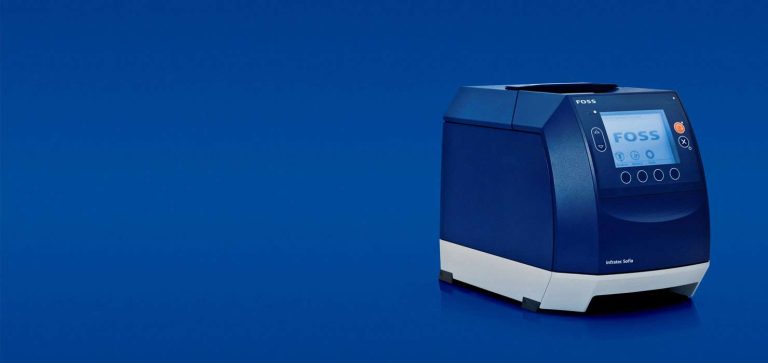
protein determination deviceis used to determine or estimate the protein content of the sample with appropriate calibration. In the Kjeldahl and Dumas approaches, crude protein is calculated by a factor from the nitrogen result;NIR/NIT uses the calibration relationship established with reference results. When comparing results, the method, conversion factor and moisture basis should be the same.
NIR, how do Kjeldahl and Dumas differ?
The same “percent protein” label may come from different measurement processes. Nitrogen-based crude protein can also carry the effect of non-protein nitrogen. The NIR result does not mean that the device directly determines nitrogen.
| Approach | How does the result occur? | Control in workflow |
|---|---|---|
| Kjeldahl | Nitrogen determination and crude protein calculation with selected factor | Method, laboratory procedure and factor |
| Dumas / combustion | Combustion-based nitrogen determination and crude protein calculation | Appropriate method, device and sample preparation |
| NIR / NIT | Reference-based prediction from spectrum | Product calibration, range and independent verification |
ISO 20483 is among the relevant method resources for the Kjeldahl approach in cereals and legumes. Which method will be used for commercial acceptance should be determined in the business and buyer specifications.
Why are dry matter and original sample results different?
The result given on the sample containing moisture is not the same percentage as the result converted to dry matter. Before evaluating the difference between the two devices, it is checked whether the output is based on dry matter, the original sample or a certain constant moisture basis.
Representative account example; It is not customer measurement: If protein %12, moisture %14 in the original sample, the conversion to dry matter is 12 × 100 / (100 − 14) ≈ %13,95. This arithmetic example is not an acceptance limit or a claim of device accuracy. Using different reporting bases on the same sample may create the impression of device bias that does not actually exist.
Nitrogen–protein conversion factor also affects the result. The factor of the product and method should be stated in the report;A single factor should not be assumed for all products.
Is the same device sufficient for whole grain, flour and feed?
Sample form affects optical setup and preparation. The appropriate device, cuvette and calibration scope for whole grain, flour and ground feed may differ. Just because a model is suitable for grain does not mean that it has a ready application for every feed or food recipe.
For XGrain and SGrain, calibration coverage on wheat, barley and other supported samples is evaluated separately. Flour application requires appropriate flour cuvette. Moisture, fat or gluten output other than protein should also be checked on a product-by-product basis.
How should the protein result be used in quality decisions?
The amount of protein in wheat and flour is important information;however, it alone does not explain gluten performance or final product quality. Moisture, gluten properties, falling number and process requirement answer different questions.
- Verify sample ID and batch.
- Match method, unit, moisture basis and factor.
- Examine the spread of repeat measurements.
- If there is a persistent difference, evaluate with paired reference samples.
- Handle the result close to the acceptance limit with a predefined decision rule.
For detail flour quality control guide And NIR verification guide can be read together.
What information is required for a protein device quote?
Share products, parameters, target range, number of samples per day and reference method. Specify the moisture basis on which the desired protein result will be reported. Consider the scope of calibration, cuvette, installation and training along with the price.
Check out protein determination devices; XGrain And SGrain Match model differences to your application. For measurement difference in current device calibration evaluation can be requested.
Resources and technical basis
Frequently Asked Questions
Are protein and gluten the same thing?
No. The amount of protein and the amount of gluten and the functional properties of gluten are different information; Gluten performance cannot be accurately deduced from a protein percentage.
Why do two protein devices give different results?
Sample, reporting basis, conversion factor, reference method and calibration scope may differ. These conditions must be matched first.
NIR Is every sample ground for protein measurement?
No. Whole grain NIT applications and flour or ground sample applications require different preparation. It is based on the device and calibration instructions.