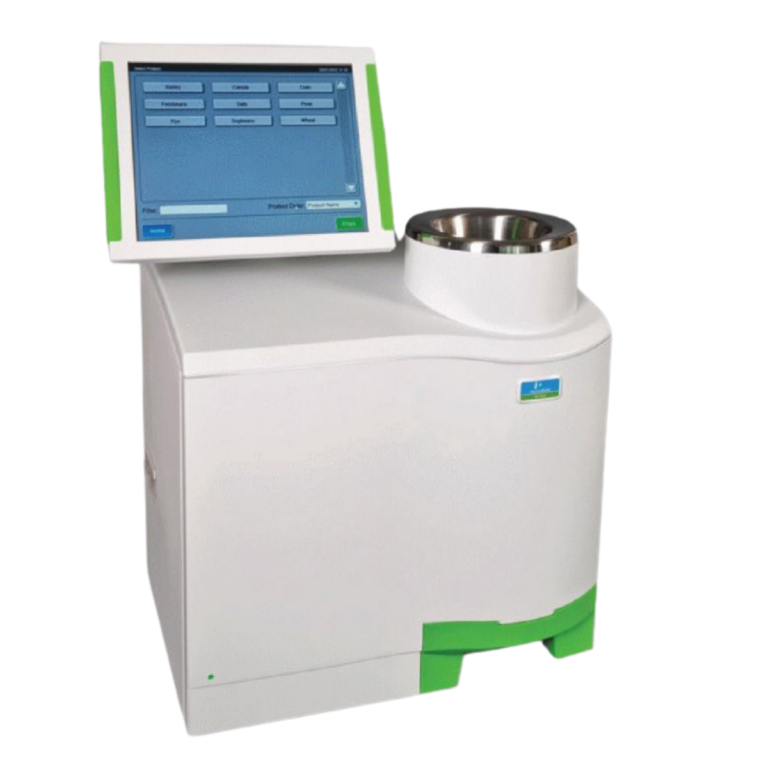
Accurate sampling, aims to ensure that the small amount analyzed is representative of the batch to be evaluated.A sample taken only from an easily accessible point in the truck, silo or product flow may not represent the entire batch. Sampling, combining, splitting and storage errors must be managed separately from the measurement performance of the instrument.
What should be defined first in the sampling plan?
First, the lot limit, product type, parameter to be measured and decision purpose are written. Quality classification and the search for a heterogeneously distributed contaminant may not require the same plan. The number and amount of increments required are determined according to the batch, method and procedure to be applied; No single universal number is given for every vehicle.
ISO 24333 and ISO 18390 for routine applications are related standards sources. This guidance does not replace the full standard or the company's approved instructions. The standard and version to be used must be defined in the contract/procedure.
How to progress from batch to laboratory sample?
- Identify the lot: Record tool, cell, product, date and batch ID.
- Get increments: Cover different locations or times according to the approved plan; Don't just pick from the surface.
- Combine: Collect increments of the same lot in a combined sample with clean equipment.
- Homogenize and divide: Prepare analysis and blank samples with the appropriate divider.
- Protect: Close container, complete label, manage holding and handling conditions.
- Link the record: The result, operator and device used can be tracked with the same sample ID.
If the sample is subsequently cleaned or sieved, its suitability for the measurement purpose and the action taken should be recorded. Selectively sorting through the product to see the result may impair representation.
How to choose a probe, divider and sample container?
| Stage | Equipment | control question |
|---|---|---|
| Sampling from the batch | Suitable manual or automatic probe | Is it suitable for product flow/depth and access condition? |
| Quantity reduction | Conical or table type sample divider | Is it suitable for grain size and target quantity? |
| Storage | Identified sample bag or container | Does it prevent moisture exchange and mixing? |
| traceability | Label, record and seal where necessary | Are the lot and the analysis result linked to the same identity? |
The presence of equipment alone does not ensure accurate sampling; Cleaning, usage and plan implementation are also required. Licensed warehouse and sample preparation equipment Evaluate according to stages.
How should the sample be protected before moisture and protein analysis?
The sample left in the open may exchange moisture with the environment. The difference between very hot product and cold container/environment also affects operating conditions. Container, label, holding time and temperature information should be associated with the measurement record.
When comparing the same lot with two methods, independent samples of uncertain representativeness should not be used. Preparing matched subsamples from the homogenized sample with the appropriate compartment makes the comparison more meaningful.
What to check if repeated results are different?
First, the homogeneity of the sample and consistency of filling and preparation are checked. The correct product program, temperature conditions, cleanliness and device condition are then examined. Averaging all results without understanding the reason for the difference may hide the problem.
| Record | Why is it necessary? |
|---|---|
| Lot and sample ID | Matches the analyzed quantity to the batch |
| Pickup location, time and operator | Makes the implementation of the plan traceable |
| Dividing/preparation process | Explains the difference in preparation in comparisons |
| Container, storage and temperature | Helps evaluate carry/hold effect |
| Device, calibration and repeat results | Allows to re-examine measurement conditions |
Wheat moisture measurement, NIR verification And laboratory workflow planning should be based on this sample chain.
Resources and technical basis
Frequently Asked Questions
Is it enough to separate a handful of the sample by hand?
This process can create selection for grain size or density. Reduction to laboratory quantity should be made with the division method and operating procedure appropriate to the product.
Are the same number of samples taken from each truck?
The required plan depends on the lot, product, purpose of analysis and method to be applied. The process in the guidance does not specify a mandatory number of increments.
Can the right device fix a bad sample?
No. The device measures the sample;A reliable batch decision cannot be made from the result of a sample that does not represent the batch.