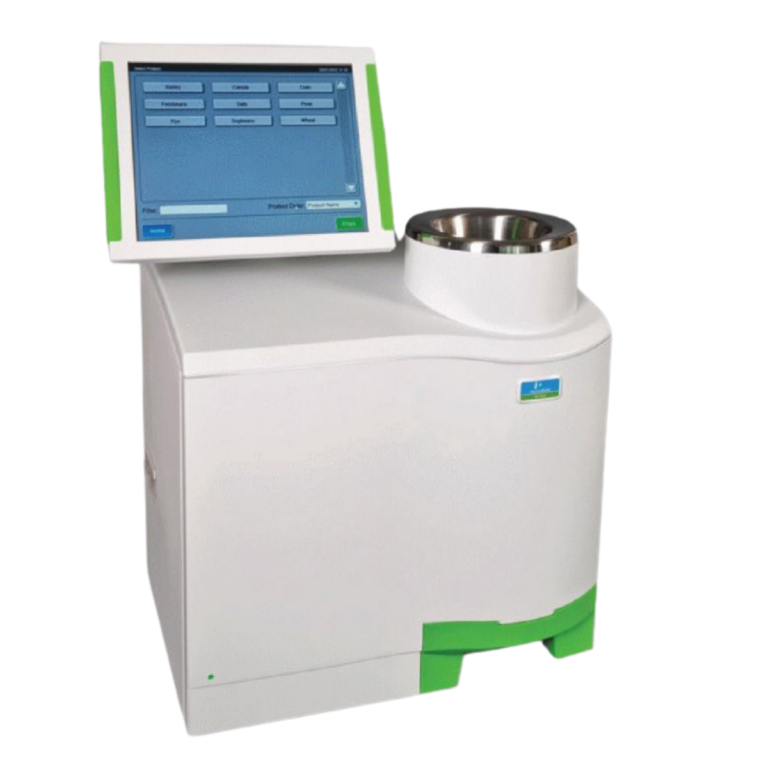
Moisture analysis in wheat is not just recording a percentage visible on the screen. Conclusion; It affects the purchase price, drying decision, storage risk and other analyzes of the laboratory. Even the best equipment cannot convert a non-representative sample into an accurate batch result. Therefore a reliable wheat moisture analysis; It requires the joint management of the steps of taking a sample, preparing the sample, choosing the right product calibration, repeating the measurement and verifying the result with the reference method.
Why is wheat moisture content a critical quality indicator?
Moisture affects both the physical condition of the product and the commercial evaluation based on mass. High humidity; Combined with inappropriate temperature and inadequate ventilation, estrus can increase risks such as mold growth, pest activity and loss of germination vigor. Excessive drying creates energy costs and weight loss. Therefore, the goal is not “lowest possible humidity” but a verified target range appropriate to the use of the product and the storage plan.
It is not right to apply a single acceptance limit to all businesses. Short-term temporary storage is not the same as long-term silo storage. Grain temperature, ventilation capacity, environmental relative humidity, foreign matter rate and buyer specifications should be evaluated together. If the result is to be used in a commercial dispute, the standard method and sampling procedure agreed upon by the parties should be determined in advance.
Representative sampling: The most critical step in the outcome
Moisture may not be the same at different points in a truck, silo or pile. The grain on the surface and the grain in the inner part; The first unloaded product and the last unloaded product may have experienced different conditions.ISO 24333:2009 defines comprehensive requirements for manual or mechanical, static or dynamic sampling of grain and grain products. Released for daily field use, ISO 18390:2025 offers a simplified routine sampling approach for quality assessment at silos, factories and shipping points.
- Identify the batch: Record which lot the vehicle, silo cell, bag group, or flow line represents.
- Take incremental samples from multiple points: Do not rely on a single easily accessible point. Depth and position in static stack; For moving products, the time interval must be taken into account.
- Homogenize the combined sample: Mix the incremental samples and reduce them to the desired amount by the device using a suitable division method that will not compromise the grain integrity.
- Protect the sample: Leaving it in an open container, moving the hot sample to a cold laboratory, or leaving it in the sun for a long time may change the result. Use a leak-proof and defined container.
To standardize the sampling process our guide to taking the right samples You can also use .
How to measure wheat with a grain moisture meter?
- Check the device: The chamber is clean, dry and undamaged; Make sure the battery or supply is sufficient.
- Choose the right calibration: “Wheat” or the equivalent product program specified by the device manufacturer must be selected on the screen. No other grain calibration that appears similar should be used.
- Reduce the temperature difference: The difference between the sample coming from a very hot field and the cold device may affect the measurement. Follow the balancing and temperature compensation rules in the manufacturer's instructions.
- Fill the hopper consistently: Compaction, underfilling, or changing grain placement with each measurement can create bias in density-based devices.
- Measure again: Take different subsamples from the homogenized composite sample. If one result is significantly different from the others, investigate the cause rather than immediately averaging.
- Complete registration: Record lot, product, date-time, sample temperature, device/program, operator and measurement results.
ISO 712-1:2024 describes the current routine reference method for moisture determination for many grains and their flours, including wheat. Portable or desktop fast device speeds up daily decision; However, in the quality assurance plan of the enterprise, the results must be compared with the accepted reference method at appropriate intervals.
Common causes of deviation in wheat moisture measurement
| symptom | possible cause | Solution |
|---|---|---|
| Successive results are very different | Heterogeneous sample, incomplete mixing or inconsistent filling | Redivide the sample, clean the chamber and measure again with the same procedure. |
| Consistently high/low according to laboratory | Calibration bias, incorrect product program or temperature effect | Verify the correct program; Follow the bias with control samples and contact the authorized service. |
| Deviation only in very dry/wet samples | Going outside the calibration range | Check the product and measuring range of the device; Verify the out-of-bounds sample with the reference method. |
| Results changed at the beginning of the season | New variety, new region, maintenance need or storage condition | Create a validation set at the beginning of the season;track the trend with reference results. |
How do you translate the measurement result into a storage decision?
Moisture value alone is not a "storable/non-storable" decision. Use the following decision order:
- Is the moisture distribution of the lot even, or are some subsamples significantly higher?
- What is the grain temperature and is there active ventilation/monitoring in the warehouse?
- What is the planned storage period?
- Is there a risk of broken grains, foreign objects, insects or visible mold in the product?
- What is the acceptance range of the receiver or operating procedure?
Parties that exceed the target; It should be directed to drying, cleaning, separate storage or frequent temperature-moisture monitoring according to the operating procedure. For a result that is very close to the target and has a high commercial impact, a definitive decision should not be made without taking into account measurement uncertainty.
Which moisture meter to choose for wheat?
A portable tool for quick inspection in the field Wile 55 moisture meter; For businesses requiring hectolitre weight and temperature along with moisture Wile 200; For reception points that require intensive recruitment and registration Dickey-john GAC 2700-UGMA Desktop solutions such as can be evaluated. The choice is not only about price; Product calibrations, measurement range, sample volume, record/printout need, number of samples per day, and service access should be compared.
Compare grain moisture and moisture measuring devices or specifying your sample and daily analysis capacity Get technical advice on the device suitable for your application.
Sample wheat moisture analysis SOP for your business
The following outline is a short standard operating instructions that the quality team can adapt to their own risks and the instructions of the device they use:
- Write the incoming lot number, vehicle/warehouse information and sampling time on the registration form.
- Take incremental samples according to the approved plan;reduce the combined sample by defined division method.
- Verify daily check of the device, hopper cleaning and correct wheat program.
- Record the difference between the sample and instrument temperature; If the limit in the procedure is exceeded, perform compensation.
- Measure at least several independent subsamples. If the operator-defined repeat difference is exceeded, stop the measurement and re-prepare the sample.
- Record the average, minimum-maximum result and alert code, if any.
- Compare the result with the acceptance limit and decision rule. Initiate reference validation on the borderline result.
- Complete the decision with operator and approver information;keep the sample in the sealed container for the specified storage period.
Control sample and maintenance schedule
Instead of measuring a random product in each shift, using a control sample whose value and stability is monitored indicates the shift in the device earlier. The control sample should be prepared homogeneously, stored in small portions to prevent moisture loss, and its useful life should be defined. The results can be monitored on the graph with target value and warning limits.A single deviation is not enough to change the calibration immediately; Repeat measurement, sample condition and cleanliness should be checked.
Maintenance plan; Includes chamber cleaning, regular mechanical check, battery/supply check, manufacturer diagnostic testing and reference comparison with each use. If the device has been sitting for a long time at the beginning of the harvest season, servicing and performance checks before intensive use will reduce the risk of mid-season downtime.
Information that should be included in the final report
A traceable report doesn't just say "moisture: %..."Lot and sample ID, sampling method, measurement date, device model/serial number, product schedule, calculation basis of results, replicates, average, sample temperature, operator and applied decision rule should be recorded together. If the result of the device is used for product acceptance, the frequency of reference verification and the approach to uncertainty or tolerance should be described in the quality procedure.
Link wheat moisture record to batch decision
If there is significant spread between different measurements from the same lot, review sampling and homogenization rather than just reporting the average value. The measurement record should include the product, lot, sample temperature, product program used and repeats.
If protein is also to be evaluated, check that the two results are from the same sample ID and compatible reporting basis. Composition and hectolitre flow with XGrain It can be evaluated in this context; The calibration of each product is also verified. Sample division and storage equipment It is a separate part of the measurement chain.
Resources and technical basis
Frequently Asked Questions
Is a single measurement sufficient for accurate moisture results in wheat?
Usually no. Because the batch may be heterogeneous, multiple measurements should be made on a representative composite sample taken from different points; If results diverge unexpectedly, sampling and instrument conditions should be rechecked.
Why does the grain moisture meter result differ from the laboratory result?
Sample temperature, product type, foreign matter, calibration selection, non-homogeneous sample and device maintenance can make a difference. Routine device results should be verified periodically with the reference method accepted by the business.
Is there a single safe storage moisture for wheat?
There is no single universal ratio. Aim; Storage time should be determined according to grain temperature, ventilation, regional climate, initial quality of the product and buyer's specifications.