Corn moisture measurement; It is used to plan harvest time, monitor dryer settings, manage wastage and energy costs, and reduce storage risk. However, corn cob and grain structure, variability within the field, hot product coming out of the dryer and high moisture ranges can make measurement difficult. This guide is a corn moisture meter It provides a traceable method to transform the result obtained into an operational decision.
At what stages should corn moisture be measured?
1. Before and during harvest
Early and late maturing areas within the field should be sampled separately. Measurement helps predict harvest equipment adjustment and drying need. It should not be assumed that a few grains taken from the cob represent the whole.
2. At the dryer inlet and outlet
Input moisture energy and standby plan; The exit moisture affects the decision to rest the product or ship it to the warehouse. When measuring hot product, the temperature limit of the device and the extent of its automatic compensation must be specifically checked.
3. During tempering and storage
It may take time for the moisture inside the grain to balance after drying. The first output measurement and the rested product result may differ. Risky areas in the warehouse, such as the surface, wall edge and center, should be monitored along with temperature and moisture trends.
How to take a representative sample in corn?
- Identify the lot and source; Keep different fields or drying batches separate if possible.
- From regular time intervals in moving flow; Take incremental samples from different depths and locations in the vehicle or pile.
- Combine and mix incremental samples in a clean container.
- Reduce to the desired amount by the device using a sample divider or a repeatable quartering method.
- Keep the sample in the sealed container until measurement; Do not allow it to lose moisture by keeping it outdoors.
ISO 18390:2025 offers a simplified routine sampling approach for daily use in silos and factories;ISO 24333:2009 describes more comprehensive sampling requirements. Your operating procedure should document the sample point, number of increments, combined sample size, and accept/reject flow.
Accurate measurement step by step with the corn moisture meter
- Verify the scope of the model: The device must have corn calibration and expected moisture range.
- Clean the hopper: Previous product residue and dust can affect density and dielectric behavior.
- Check the temperature: If the sample is outside the instrument's operating range, do not force the result. Apply compensation for very large temperature differences.
- Make consistent filling: Use the manufacturer's measuring cup, cap pressure or automatic filling system the same way every time.
- Measure multiple subsamples: Save the results; If the gap is wide, remix the sample and investigate sampling error.
- Verify the critical decision: Confirm results that are too close to the uptake limit, unexpected, or outside the calibration range with the laboratory reference method.
ISO 6540:2021 covers reference and routine methods for moisture determination in corn. According to the description of the standard, whole grain routine method; It is not suitable for preparing expert reports or setting up/checking moisture meter calibration. This distinction shows that “quick daily check” and “calibration verification” are not the same process.
Measurement plan during the drying process
| Point | Aim | Information to be recorded |
|---|---|---|
| Dryer inlet | See initial load and batch variability | Moisture, temperature, lot, hour |
| intermediate control | Monitoring the trend of time/heat setting | Moisture tendency, device, operator |
| dryer outlet | Checking proximity to the target | Hot product moisture and temperature |
| rested product | See the balanced result | Standing time, moisture, temperature |
| Warehouse | Monitoring the risk of rehydration or hot spots | Location, date, moisture and temperature trend |
Use a short time series rather than drastically readjusting the dryer based on a single output result. This way you can separate sample noise from actual process variation.
Why don't the corn moisture results hold up?
- Sample hot: Difference outside device compensation may shift consecutive results.
- Grain distribution is heterogeneous: Grains from some areas of the dryer may be more moist.
- Wrong product program: For maize, feed maize or products of different densities, the manufacturer's calibration scope should be checked.
- Foreign matter and broken grain: It changes the sample density and electrical behavior.
- The device is dirty or its mechanical part is worn: The chamber, compression cap and temperature sensor may require maintenance.
- Reference sample is not the same: Having two devices measure different subsamples produces a sample difference that appears as a device difference.
Remeasure the same homogenized sample for solution on two devices; Record product schedules, temperature and maintenance status. If the difference is systematic, bias monitoring and technical service control plan.
Choosing a moisture meter for corn
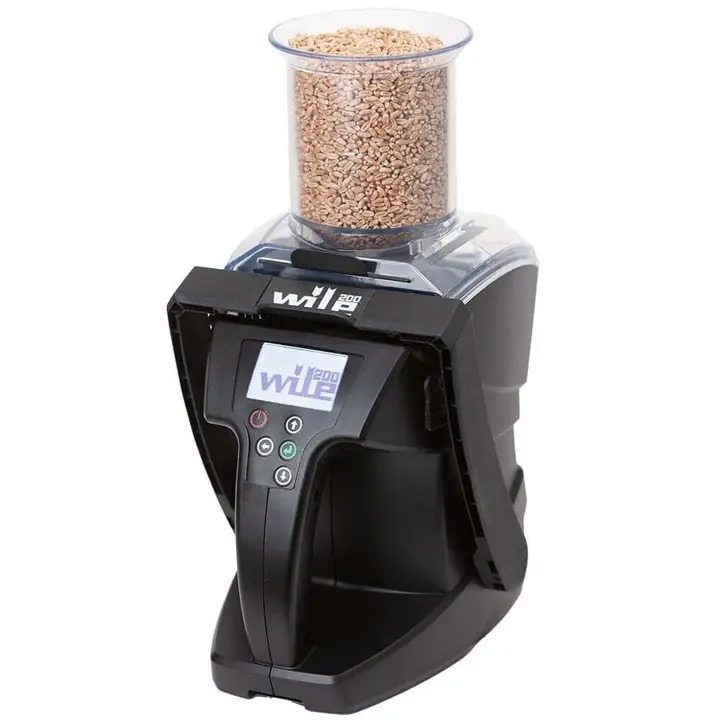
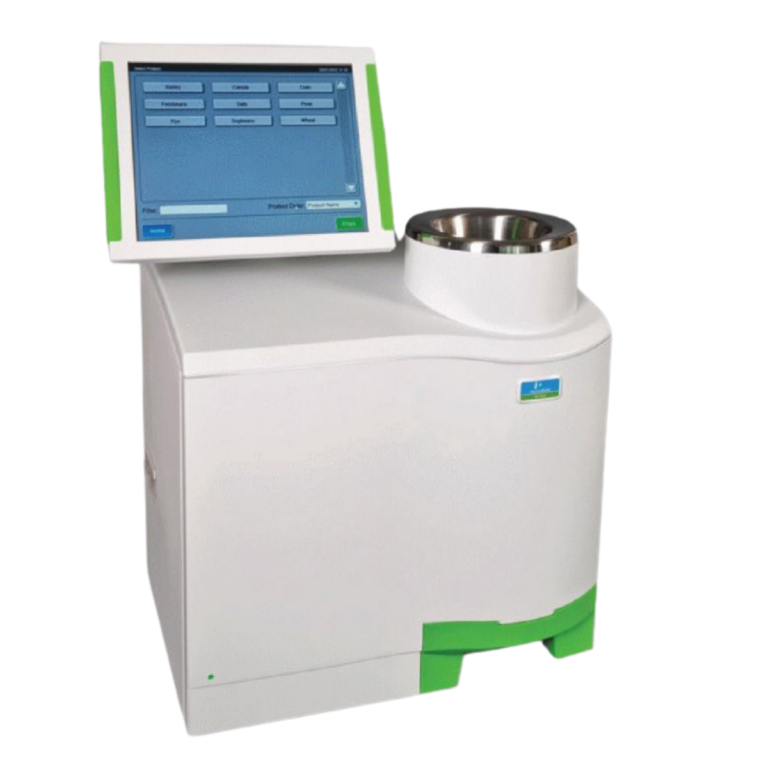
If portability is a priority in field and harvest control Wile 55; If hectolitre and temperature are desired in addition to moisture Wile 200;if intensive reception, printing/data logging and larger sample throughput are required Dickey-john GAC 2700-UGMA assessable. In the final selection, the version of the corn calibration, measuring range, number of samples per day, cleaning time and service support must be confirmed in writing.
Check out corn and grain moisture meter options or by sharing your application information get technical offer.
Decision matrix for corn: What to do based on the result?
The matrix below does not give a numerical acceptance limit; It shows the decision structure in which the business will place its target ranges:
| Situation | second check | Possible action |
|---|---|---|
| Within the target range and repeats are compatible | Lot ID and temperature record | Redirect to scheduled warehouse/transaction |
| In the immediate vicinity of the target | New subsample and reference method if necessary | Acceptance, separation or additional drying according to decision rule |
| Above target and product is hot | Re-measurement after equalization | Review drying/tempering plan |
| Wide difference between repetitions | Sampling and homogenization | Resample the batch;average out |
| Unexpected extreme result | Program, range, device and sample view | Reference verification without using the result in the decision |
Corn calibration control at the beginning of the season
In the new harvest season, variety, region, grain density and moisture distribution may differ from the previous year. Select samples that cover the low, mid and high range early in the season. Analyze the same homogeneous samples in the rapid moisture meter and the accepted reference method. Table the differences; Consider not only the average difference, but also whether the error grows with higher moisture.
If a systematic difference is observed, do not immediately change the user correction. First rule out wrong product schedule, sample temperature, impurity, foreign matter, broken grain and reference laboratory repeatability. If corrections are to be made, they should be made using the method permitted by the manufacturer, using a sufficient number of representative results and recording them.
Example of corn moisture measurement record form
- Lot/vehicle/silo number and supplier
- Sampling location, method and time
- Product type/variety and visible foreign matter note
- Device model, serial number and selected program
- Ambient temperature with sample
- Repeat results, average and result range
- Dryer inlet/outlet or tank location
- Decision taken, operator and approver
These records; It makes it possible to analyze dryer performance, energy consumption and storage problems at the end of the season. It is recommended that lot ID and time information be matched with the automatic system to reduce manual recording errors in businesses that transfer data from the device.
Choose the right reference method in corn
The method name used for wheat should not be applied directly to the corn sample.ISO In the record 6540, reference and routine methods for corn are separated. It should be clarified with the laboratory which method and sample preparation is used for rapid hygrometer control.
Do not unconditionally compare the results of the hot sample at the dryer outlet and the equilibrated sample. Do not make a definitive batch decision from measurements that are outside the temperature and moisture operating range of the device. Sampling and storage steps with reference comparison scope plan together.
Resources and technical basis
Frequently Asked Questions
What should be the moisture content of corn?
There is no single universal goal. Suitable target; It should be determined according to the intended use, drying system, storage time and temperature, ventilation capacity and buyer specifications.
Can hot corn be measured immediately?
Even if the device has temperature compensation, a large temperature difference between the sample and the device may cause deviation. The operating interval and balancing time specified in the manufacturer's instructions must be applied.
Is a portable corn moisture meter sufficient for commercial acceptance?
Portable devices are very useful for quick field decisions. Availability in commercial acceptance depends on the procedure of the parties and the method adopted;critical results should be confirmed by the appropriate reference method.