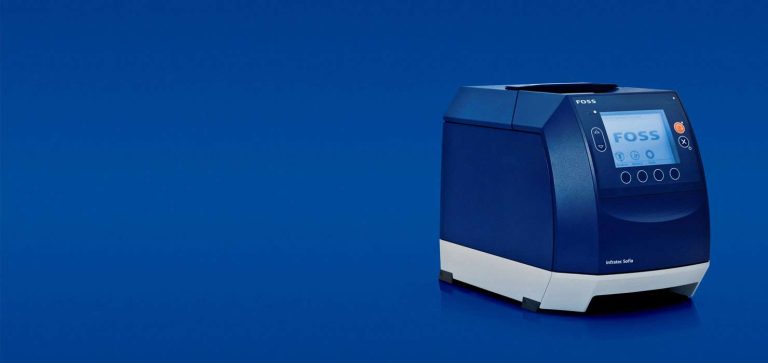
Grain analyser selection, should be made depending on which purchasing or production decision will be made. Moisture, protein and hectoliter are different properties; It cannot be assumed that a single device makes every measurement. The product list, daily sample flow, reference method and results recording should be planned together.
First define the purchasing decision
The grain trader may need different information for rapid classification, the mill for flour recipe, and the warehouse for acceptance and tracking. Using the same device does not make the sampling and decision rules of these businesses the same.
| Decision | Required information | complementary process |
|---|---|---|
| Drying / storage | Moisture result and temperature suitable for the product | Duration, ventilation and monitoring plan |
| Protein classification | Protein result with proper basis | Reference method and factor |
| Hectoliter rating | Test weight / kg/hl | Proper volume, filling and method |
| Orientation to flour production | Protein and related quality parameters | Flour quality and process tests |
The table is not a list of legislation or acceptance limits. The criteria to be applied are determined in the product specifications of the enterprise.
Find the bottleneck in the sample flow
The analysis period in the catalog is not the entire vehicle acceptance period. The total cycle includes sample collection, transportation, division, preparation, device evacuation and recording. Before the selection, it should be observed at which step the current flow is waiting.
- Determine the daily total and peak hour sample count.
- Separate mandatory measurements on each sample.
- Consider preparation and instrument cycling in the same workflow.
- Again, factor in reference checking and cleaning time into the schedule.
- Define how the result will be linked to the batch and vehicle record.
Which device class meets which need?
Portable moisture meter for preliminary control in the field; Desktop moisture meter for regular acceptance flow; The appropriate NIR/NIT system can be evaluated for composition analysis. It is also possible to use them together. Auxiliary equipment such as sample probe, divider and scale do not replace the main device, they complete the process.
With the need for internal hectolitre XGrain;with the need for analysis at different points SGrain assessable. Model comparison with details grain device category should be used together.
How to plan calibration and acceptance testing?
The product-parameter list, range, sample preparation, reference method and reporting basis are clarified before the offer. Installation control and performance verification are different topics. Acceptance testing should not be considered complete merely by opening the instrument or measuring a single control sample.
Plan comparisons on samples representative of the application for which the reference result is known. Agree expected deviation and repeat conditions before measurement. NIR verification guide details the check sequence.
Which items should appear separately in the quote?
- Main model, variant if any and new/second-hand condition
- Product and parameter calibrations
- Bathtub, printer consumables, power and connection accessories
- Installation, user training and first application check
- Software/license, data transfer and support scope
- Current delivery, warranty and service conditions
In addition to the purchase price, the investment evaluation also includes reference analysis, consumables and maintenance needs. Savings or payback time should not be presented as calculated without actual workload data. Laboratory setup And second hand device control guide Helps scope plan.
Resources and technical basis
Frequently Asked Questions
Does the grain analyser perform all quality tests?
No. The methods and equipment required for moisture, protein, hectolitre, gluten performance and other tests may differ. Coverage for each model is verified separately.
Is daily capacity calculated from analysis time alone?
No. Sampling, preparation, filling/unloading, recording and rechecking affect the total cycle.
What is the most important check when choosing a second-hand device?
The current device's configuration based on serial number, licenses, status and acceptance testing on your own samples should be examined together.